What Is a Compressor Electrophoresis Line? A Complete Guide for Manufacturers
An in-depth analysis of advanced e-coating technology designed for high-performance compressor manufacturing and surface protection.
Introduction to Modern Compressor Coating Technology
In the competitive landscape of industrial manufacturing, the longevity and reliability of components are paramount. For manufacturers of HVAC units, refrigerators, and industrial machinery, the compressor stands as the heart of the system. Protecting this heart from corrosive environments, moisture, and chemical exposure is critical. This is where the compressor electrophoresis line (often referred to as an E-coat line) becomes an indispensable asset. Unlike traditional spray methods, an electrophoresis line utilizes an electrochemical process to deposit a uniform, high-performance organic coating onto the metal surface of the compressor housing and internal parts.
The adoption of a fully automated compressor electrophoresis line ensures that every intricate corner, internal cavity, and weld seam is perfectly protected. This technology has evolved from a basic dipping process into a highly sophisticated, IoT-enabled production system that integrates precision chemistry, advanced filtration, and robotic handling. In this guide, we will explore the technical nuances, process stages, and quantifiable benefits of implementing this technology in your production facility.
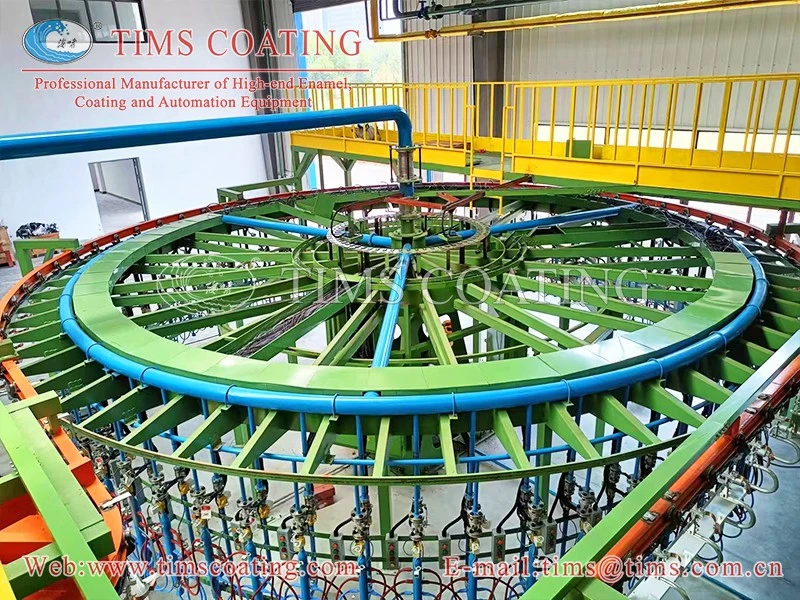
Figure 1: A high-capacity, automated compressor electrophoresis production system.
How a Compressor Electrophoresis Line Works
The fundamental principle of a compressor electrophoresis line involves the movement of charged paint particles in a liquid medium under the influence of an electric field. The compressor shell, acting as one electrode (usually the cathode in cathodic epoxy systems), is submerged in a tank containing the coating material. As current flows, the paint particles are attracted to the metal surface, creating a dense, insoluble film. This process is self-limiting; as the film builds up and creates electrical resistance, the deposition naturally stops, ensuring a perfectly uniform thickness across the entire workpiece.
The Essential Process Stages
- Pre-treatment: This is the foundation of adhesion. The line integrates multi-stage cleaning, including alkaline degreasing to remove oils, followed by zinc phosphating or pickling to create a microscopic surface profile that enhances the bond between the metal and the e-coat.
- Electrophoretic Coating: The core stage where the compressor enters the bath. Precision voltage control allows for a coating range typically between 15 to 35 microns, depending on the specific application requirements.
- Ultrafiltration (UF) Rinsing: To minimize waste and environmental impact, modern systems use closed-loop UF rinsing. This recovers excess paint particles from the workpiece and returns them to the main tank, achieving a material utilization rate often exceeding 95%.
- Curing and Polymerization: After rinsing, the compressor enters a high-temperature oven (typically 160-180°C). The heat triggers a chemical reaction that cross-links the polymers, forming a hard, durable, and chemically resistant finish.
Strategic Advantages for Modern Manufacturing
Implementing a compressor electrophoresis line offers significant strategic advantages over powder coating or traditional liquid painting. One of the most critical metrics for compressors is salt spray resistance. Advanced systems provided by industry leaders can facilitate coatings that exceed 1000 hours of salt spray testing (ASTM B117), ensuring that units operating in coastal or harsh industrial environments do not suffer from premature failure.
Furthermore, the high degree of automation reduces reliance on manual labor. Integrated PLC systems and HMI interfaces allow operators to monitor bath chemistry, temperature, and current in real-time. With the integration of robotic loading and unloading, the throughput of a well-designed line can reach 600 to 800 square meters per hour, making it the most efficient solution for high-volume batch production.
Expert Insight: Precision Engineering
"The key to a successful e-coating operation lies in the stability of the bath and the uniformity of the electric field. By utilizing variable frequency drives and intelligent conveyor systems, manufacturers can eliminate 'dead spots' and ensure that even the internal cooling fins of a compressor are fully protected."
Quantifiable Benefits and Environmental Impact
Operational Efficiency
The self-limiting nature of electrophoresis ensures zero over-application, reducing material waste by up to 30% compared to traditional spray booths. Automated color change systems and modular designs further enhance equipment utilization.
Superior Quality
Total immersion ensures 100% coverage. This is vital for compressors with complex geometries and recessed areas where manual spray guns cannot reach, providing a flawless, corrosion-resistant barrier.
Eco-Conscious Solution
E-coating is a water-based process with extremely low VOC emissions. Combined with energy recovery systems in the curing ovens, it helps manufacturers meet strict ISO 14001 environmental standards.
Cost Reduction
While the initial investment in an automated line is higher, the lower cost per part, reduced energy consumption (up to 20% savings via IoT recovery), and minimal labor requirements provide a rapid ROI.
Why Choose TIMS for Your Coating Solutions?
At TIMS, we specialize in providing turnkey solutions for high-demand industrial coating applications. Our expertise extends beyond simple equipment manufacturing; we provide integrated systems that enhance the entire production lifecycle. Whether you require a high-capacity compressor electrophoresis line, a versatile powder coating production line, or an advanced enamel production line, our engineering team designs for precision and durability.
TIMS systems are globally recognized for their advanced electrostatic technology and IoT-enabled energy management. We have successfully delivered and installed production lines for leading brands in the automotive, appliance, and HVAC sectors, including massive projects like Haier's Thailand air conditioning production base. Our commitment to quality is backed by CE, ISO9001, and SGS certifications, ensuring that every piece of equipment meets international safety and performance standards.
Global Service
Worldwide installation and 24/7 technical support.
Energy Efficiency
Patented waste heat recovery systems.
Full Automation
AI-powered control and robotic handling.
Frequently Asked Questions
Q1: What is the maximum salt spray resistance achievable with a compressor electrophoresis line?
A properly configured compressor electrophoresis line using high-quality cathodic epoxy resins can achieve salt spray resistance exceeding 1000 hours, far surpassing traditional liquid paint or standard powder coatings for industrial components.
Q2: How does a compressor electrophoresis line improve production efficiency?
The line utilizes a continuous conveyor system and fully automated PLC control, allowing for high-speed processing of up to 800㎡/hour. By eliminating manual spraying and ensuring uniform deposition in one dip, the cycle time is significantly reduced compared to multi-coat manual systems.
Q3: Can a compressor electrophoresis line coat the internal surfaces of a housing?
Yes, this is one of the primary advantages. Since the process relies on an electric field and total immersion, the compressor electrophoresis line ensures that every internal cavity and complex recess is coated with a uniform thickness, providing comprehensive corrosion protection.
Q4: Is the operation of a compressor electrophoresis line environmentally friendly?
Yes, modern lines are designed for sustainability. A compressor electrophoresis line uses water-borne coatings with minimal VOCs and features closed-loop ultrafiltration systems that recycle over 95% of the paint material, significantly reducing waste liquid discharge.
Q5: What maintenance is required for a compressor electrophoresis line?
Regular maintenance involves monitoring bath conductivity and pH levels, cleaning the ultrafiltration membranes, and inspecting the anode cells. TIMS provides intelligent monitoring systems that alert operators to maintenance needs before they affect coating quality.
Conclusion
The compressor electrophoresis line represents the pinnacle of surface treatment for industrial components. By combining electrochemical precision with advanced automation, manufacturers can achieve unparalleled durability, environmental compliance, and cost-effectiveness. As the industry moves toward smarter, more sustainable production, investing in high-quality e-coating technology is a strategic move for long-term growth.
Ready to optimize your production facility?
Contact TIMS for a Tailored Configuration