A comprehensive guide to modern manufacturing standards, automation, and industrial coating solutions for high-performance water heater production.
Introduction to Modern Water Heater Manufacturing
The global demand for energy-efficient water heating solutions has pushed manufacturers to seek more advanced and reliable systems. At the heart of this industrial evolution is the water heater production line, a complex series of automated and semi-automated stages designed to ensure durability, thermal efficiency, and safety. Building a production line that meets international standards requires a deep understanding of both mechanical engineering and advanced chemical coating technologies. Today, manufacturers must balance high throughput with the precision required to produce tanks that can withstand years of high-pressure and corrosive environments.
From the initial metal fabrication to the final assembly and quality inspection, every stage of the manufacturing process contributes to the overall longevity of the appliance. In recent years, the industry has seen a significant shift toward smart manufacturing, where data-driven systems and robotic automation minimize human error. This transition is not merely about speed; it is about achieving a level of consistency that manual labor simply cannot match. A well-designed production line ensures that every unit coming off the belt meets the same rigorous specifications, reducing waste and enhancing brand reputation in a competitive market.
The Pre-Treatment and Preparation Phase
Before any coating or welding can occur, the raw materials must undergo a rigorous cleaning process. The pre-treatment phase is perhaps the most critical for ensuring the longevity of the final product. In a high-quality water heater production line, this stage typically involves several sub-processes, including degreasing, pickling, and neutralization. Removing oils, oxidation, and surface impurities is essential because even the smallest contaminant can lead to coating failure, which in turn leads to tank corrosion and leaks.
Modern facilities utilize automatic spray pre-treatment systems that ensure 360-degree coverage of the inner and outer shells. These systems are designed to be environmentally friendly, often incorporating chemical recycling and waste-water treatment modules. By using computerized control systems, manufacturers can precisely monitor the concentration of cleaning agents and the temperature of the rinsing baths. This level of control ensures that the metal surface is perfectly prepared for the next stage, whether it be sandblasting or the application of the primary enamel coating. Without a robust pre-treatment system, the structural integrity of the water heater cannot be guaranteed.
Advanced Enameling Technologies: Wet vs. Dry
The inner tank of a water heater is its most vulnerable component, constantly exposed to heat and chemical reactions. To protect it, a water heater production line must integrate an advanced enameling section. There are two primary methods used today: wet enameling and dry powder enameling. Wet enameling involves spraying a liquid slurry onto the inner surface, followed by a drying phase. This method is highly effective for complex geometries and ensures a smooth, glass-like finish that prevents mineral buildup. It remains a popular choice for many global manufacturers due to its versatility and established reliability.
On the other hand, dry powder enameling (electrostatic spraying) is gaining traction due to its environmental benefits and high efficiency. This process uses an electrostatic charge to attract dry enamel particles to the tank walls, followed by an immediate firing process. This method eliminates the need for a separate drying stage, reducing energy consumption and floor space requirements. Regardless of the method chosen, the firing process must take place in a specialized enamel furnace. This furnace operates at temperatures exceeding 800 degrees Celsius to fuse the enamel with the steel substrate, creating a permanent, corrosion-resistant bond that defines the quality of the final product.
Robotic Integration and Assembly Logistics
The modern water heater production line is a marvel of automation. Robotic arms now handle most of the heavy lifting, from loading raw steel sheets onto the rolling machines to transferring finished tanks to the testing stations. This integration of robotics significantly reduces the risk of workplace injuries and increases the overall throughput of the factory. Automated welding stations, equipped with high-precision laser sensors, ensure that the seams of the tank are perfectly sealed. These welds are then automatically inspected using non-destructive testing methods like X-ray or ultrasonic sensors to detect any microscopic defects.
Beyond the welding and coating, the assembly of the outer shell, insulation, and electrical components is also increasingly automated. Intelligent conveyor systems, such as power-and-free conveyors, allow for variable production speeds and temporary storage of components between stages. This flexibility is vital when producing different models or sizes of water heaters on the same line. By utilizing advanced PLC (Programmable Logic Controller) systems and SCADA (Supervisory Control and Data Acquisition) software, plant managers can monitor the status of every machine in real-time, allowing for predictive maintenance and rapid troubleshooting to minimize downtime.
The TIMS Edge: Leading the Coating Industry
TIMS is a premier high-tech enterprise specializing in the design and manufacture of high-end coating equipment. With over two decades of industry experience, we have successfully implemented numerous projects for world-renowned brands like Haier, Midea, and Ariston. Our expertise lies in creating the perfect water heater production line tailored to the specific needs of our clients. We take pride in our ISO9001:2015 certified management system and our status as a "Specialized, Sophisticated, Unique, and New" enterprise in Guangdong Province.
Our core advantages include:
Technical Expertise: Our R&D team holds multiple patents in enamel furnace design and robotic application.
Customized Solutions: We offer both enamel production lines and specialized powder coating systems.
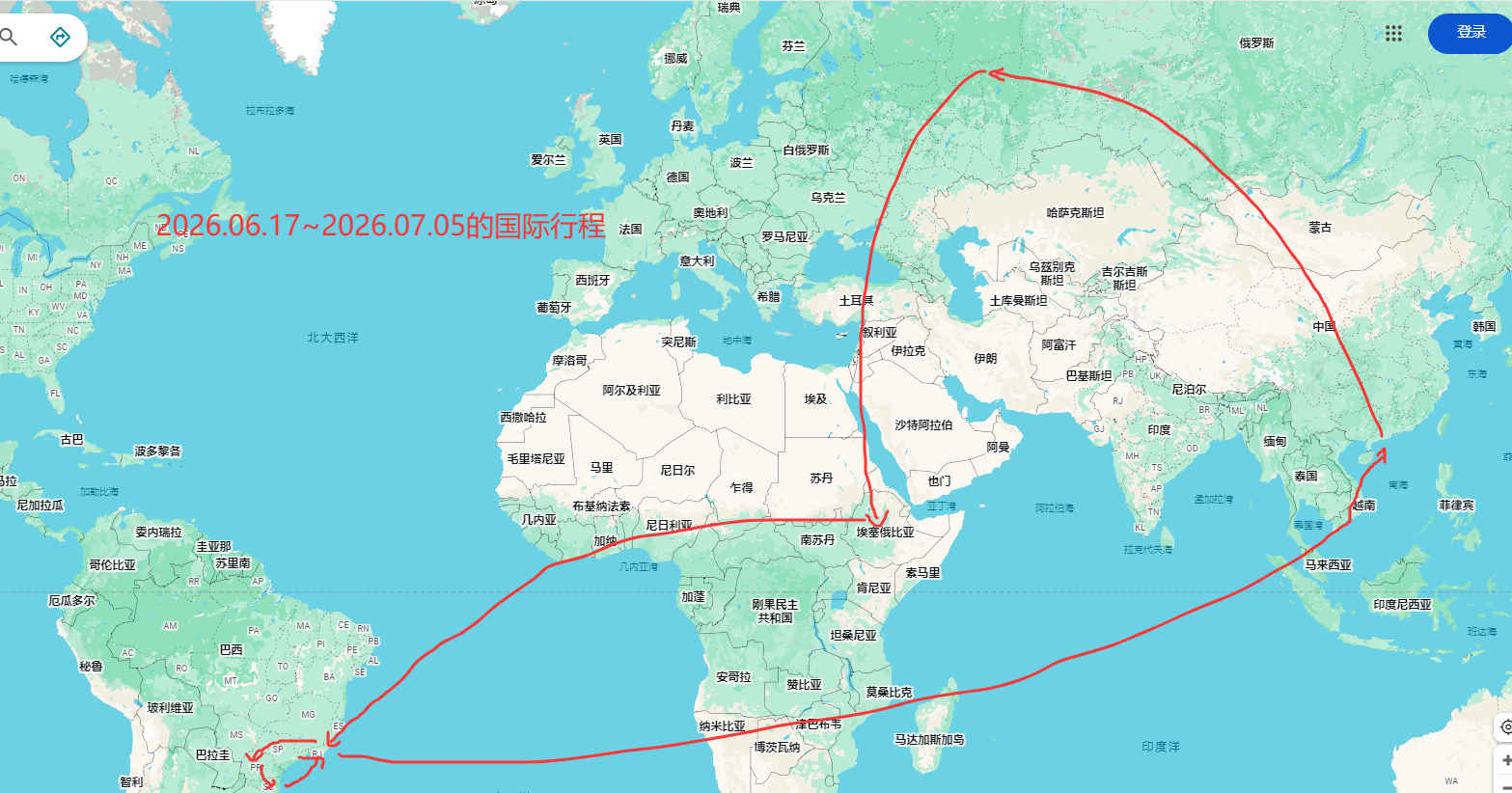
Global Footprint: With successful projects in Egypt, Thailand, Indonesia, and Mexico, we are a trusted international partner.
Conclusion
Investing in a modern water heater production line is a strategic move for any manufacturer aiming for global competitiveness. The synergy of advanced pre-treatment, high-precision enamel coating, and intelligent automation creates a foundation for high-quality appliance manufacturing. As the industry continues to move toward greener and smarter technologies, partnering with an experienced equipment provider like TIMS ensures that your facility remains at the cutting edge of production technology.
Ready to upgrade your manufacturing facility?
Contact Our Engineers TodayFrequently Asked Questions
Q1: What are the main components of a water heater production line?
The primary components include metal fabrication units (rolling/welding), a multi-stage pre-treatment system, enamel coating booths (wet or dry), a high-temperature enamel furnace, and automated assembly and testing stations.
Q2: How does a modern water heater production line improve energy efficiency?
Modern lines utilize intelligent energy recovery systems in the furnaces and automated control systems that optimize the use of gas and electricity during the coating and drying processes, significantly reducing waste.
Q3: Can a water heater production line handle different tank sizes?
Yes, advanced lines from TIMS are designed with flexible conveyor systems and programmable robotics that can be quickly adjusted to accommodate various tank dimensions and capacities with minimal setup time.
Q4: What is the lifespan of equipment in a water heater production line?
With proper maintenance and high-quality components, the core machinery can last for 15-20 years. TIMS provides robust after-sales support and maintenance guides to ensure long-term operational reliability.
Q5: How is quality controlled in a water heater production line?
Quality control is integrated at every step, including automated weld inspections, coating thickness measurements, and hydrostatic pressure tests for every finished tank to ensure 100% safety and compliance.